Service For Farms: Further Information
Thank you for your interest in our October 2026 production.
Please review the information below and follow the steps outlined before completing the customer form.
How it works
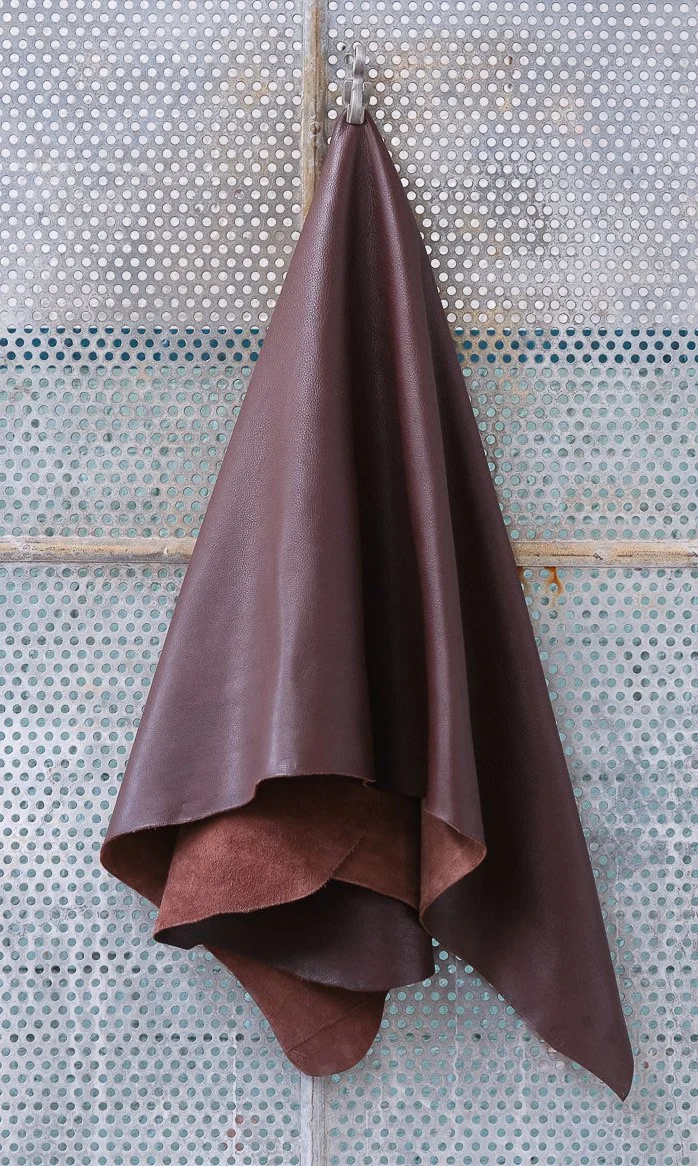
We’ll share directions for collecting, salting, storing, stamping and delivering your hides to us. We send you a stamp for marking the hide(s).
Along with a number of other farm hides, they will go into processing at the traditional vegetable tannery in Bristol, with whom we work on all our production.
Once tanned, they will be relocated to a finishing facility in Northamptonshire, where dying and finishing takes place.
We will deliver finished leather back to you!
The format of your finished leather
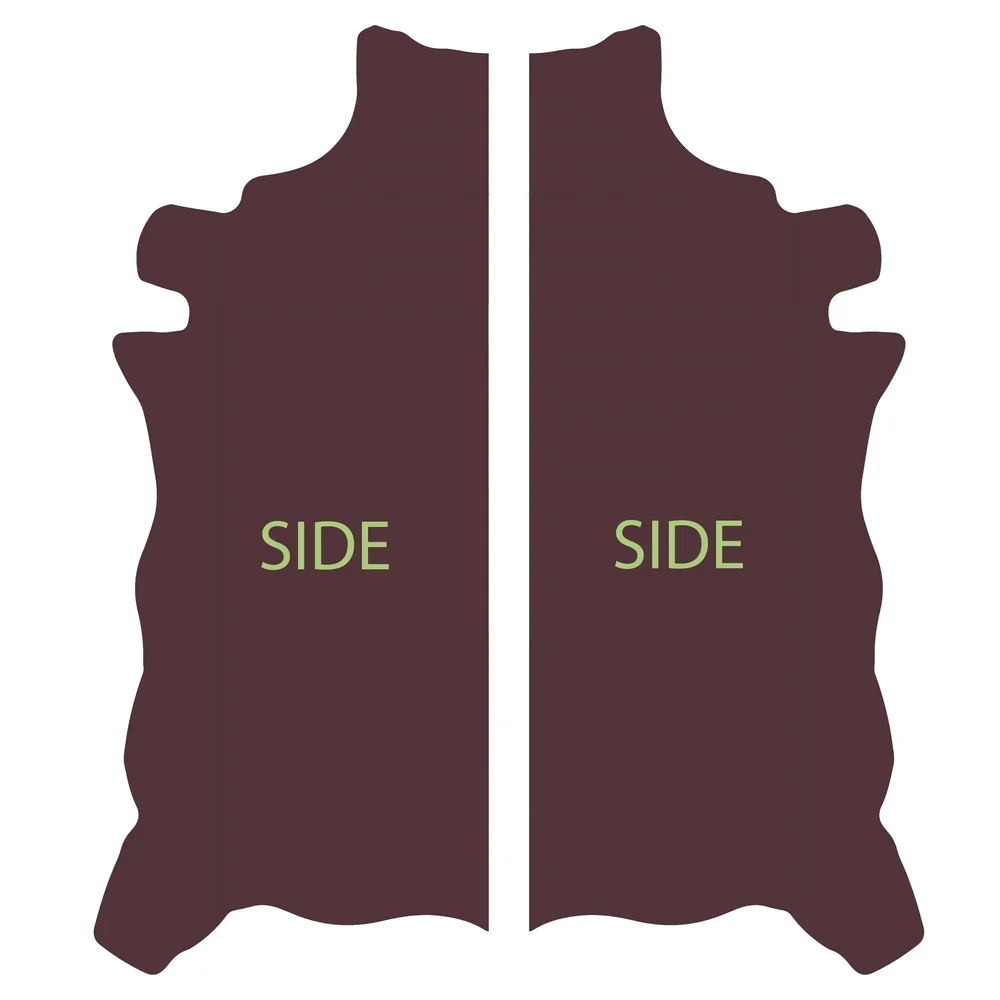
All hides will be processed as “sides” (half hides), they will be cut into two pieces down the spine, as shown in the diagram above. You will receive two types of leather per hide, both will be our Chestnut colour:
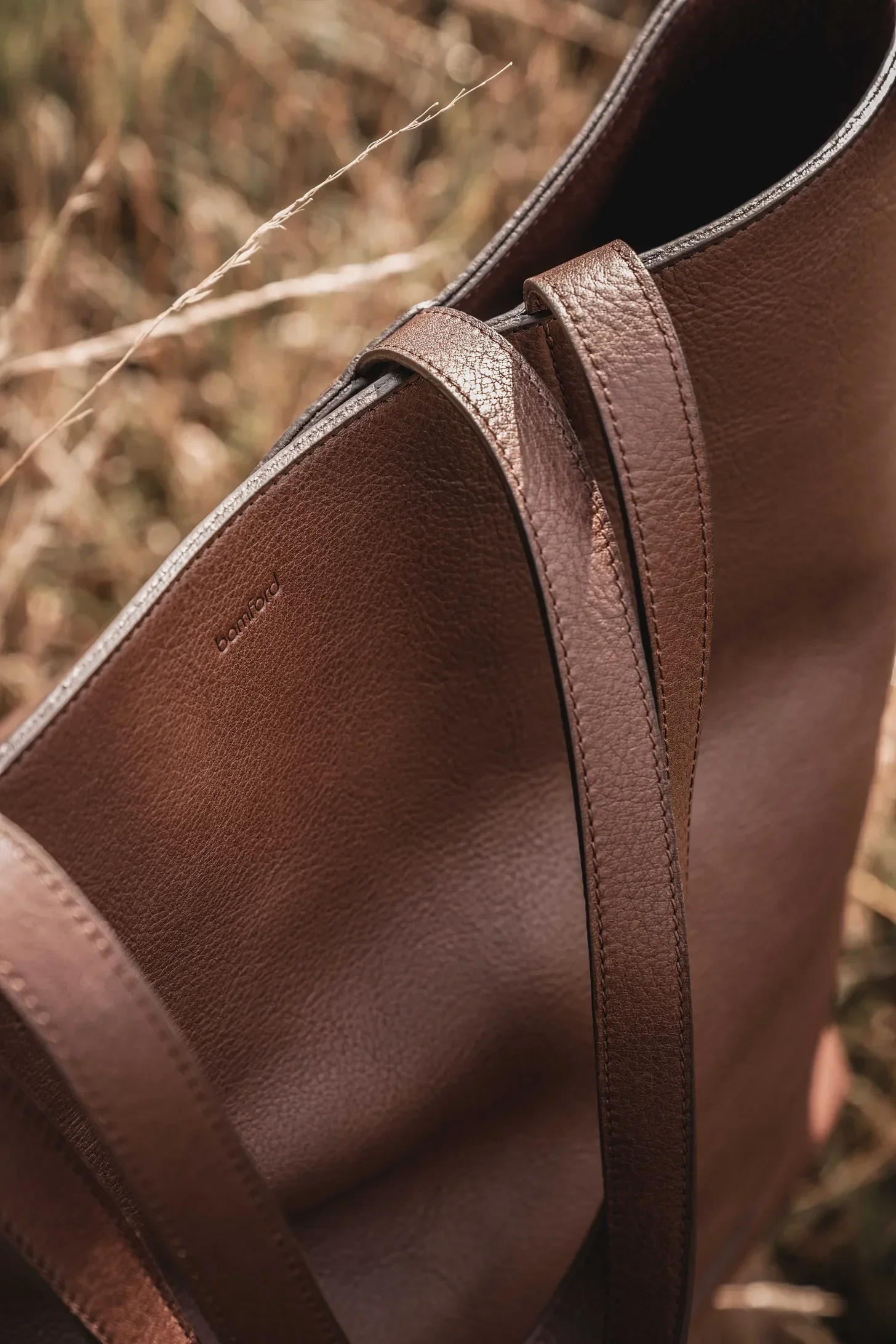
Full grain leather (x2 pieces, 2mm thick): This means the leather we produce will have the top surface completely intact. We use a very natural process for producing leather, so characteristics like scratches and growth marks will be evident on the leather’s surface.
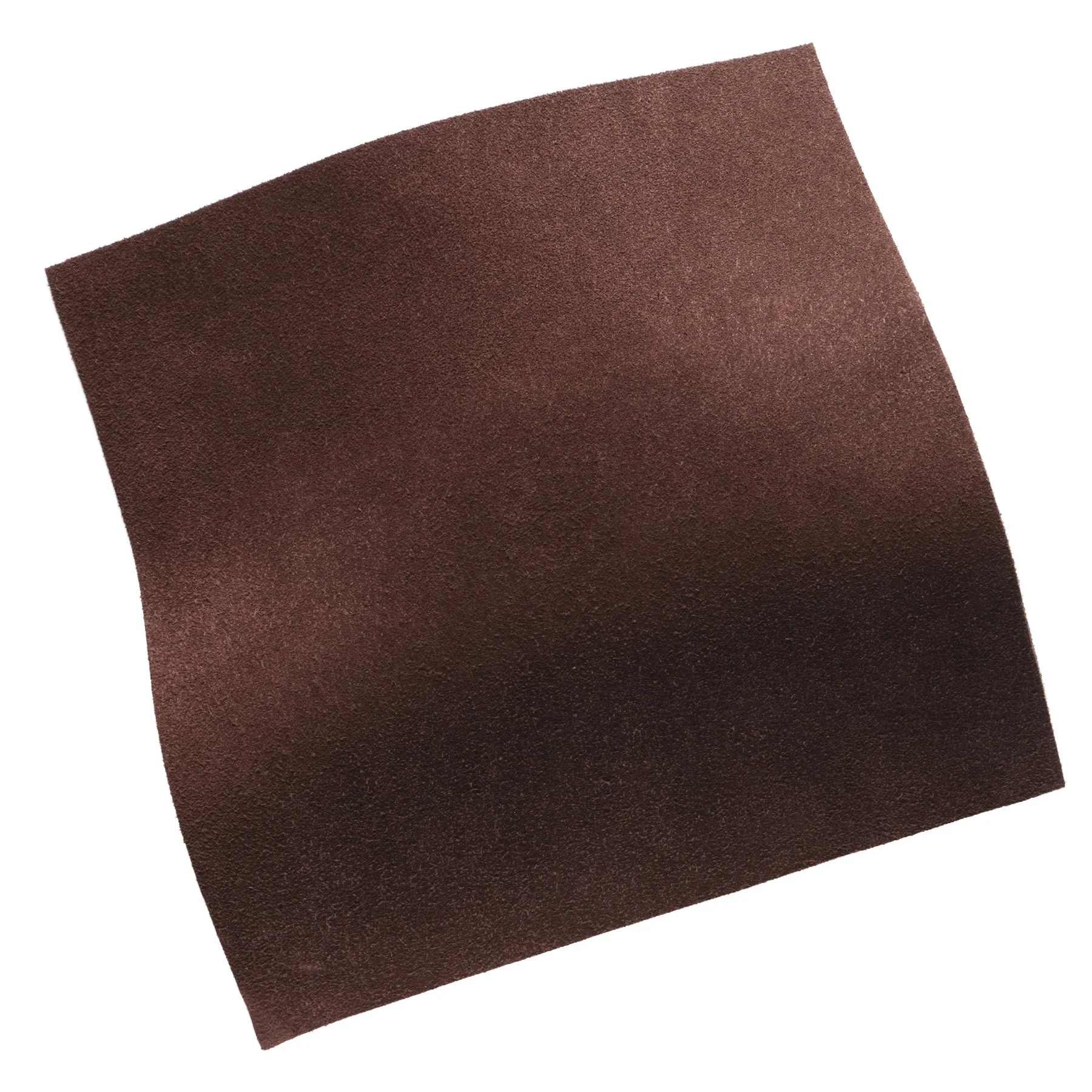
Suede (x2 pieces, 2mm thick): We are producing a 100% vegetable tanned suede, this means your leather will be firmer than other suedes you may have experienced.
How your leather can be used
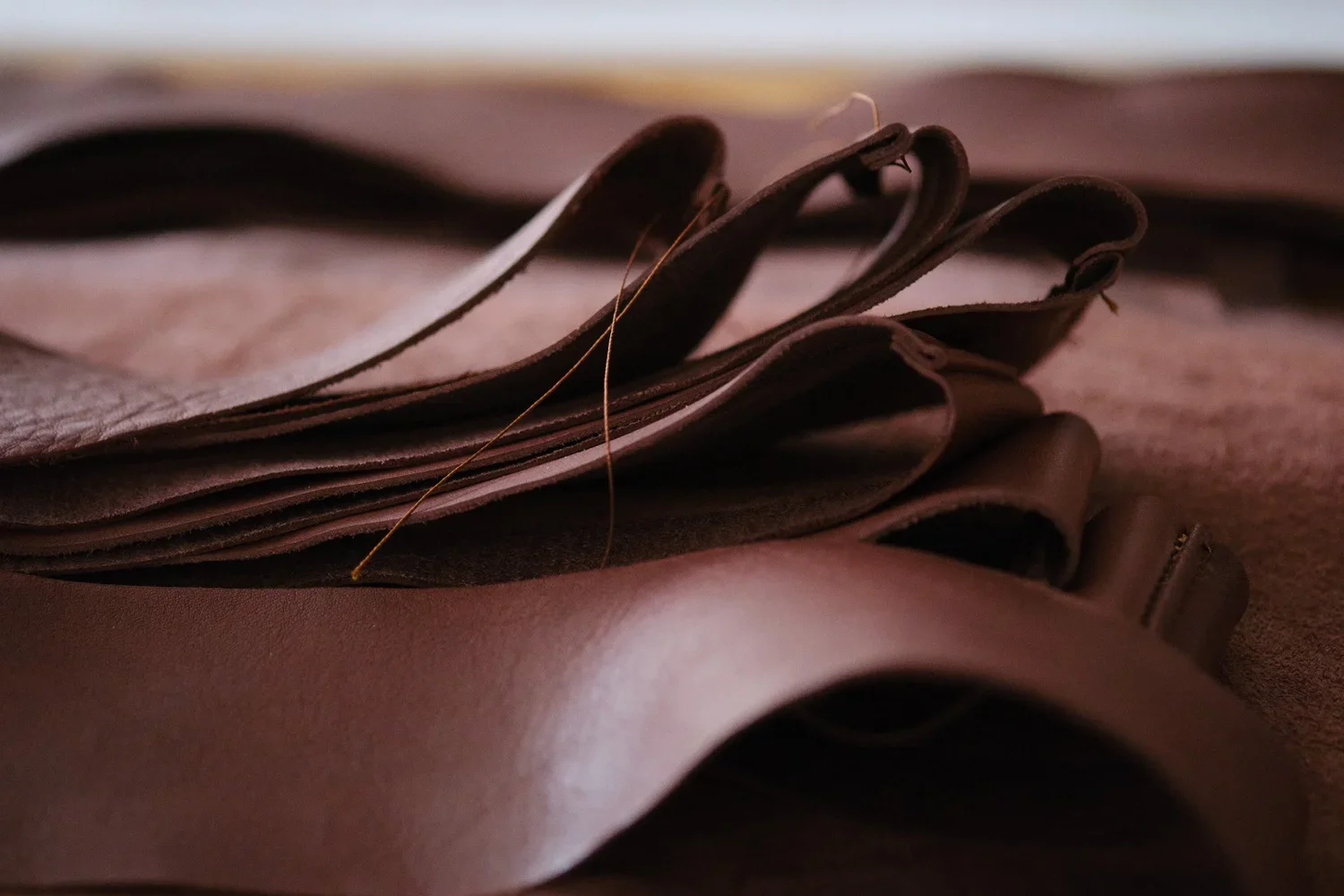
We can suggest resources for turning your leather into useful items, including artisans who can create leather products in small volumes.
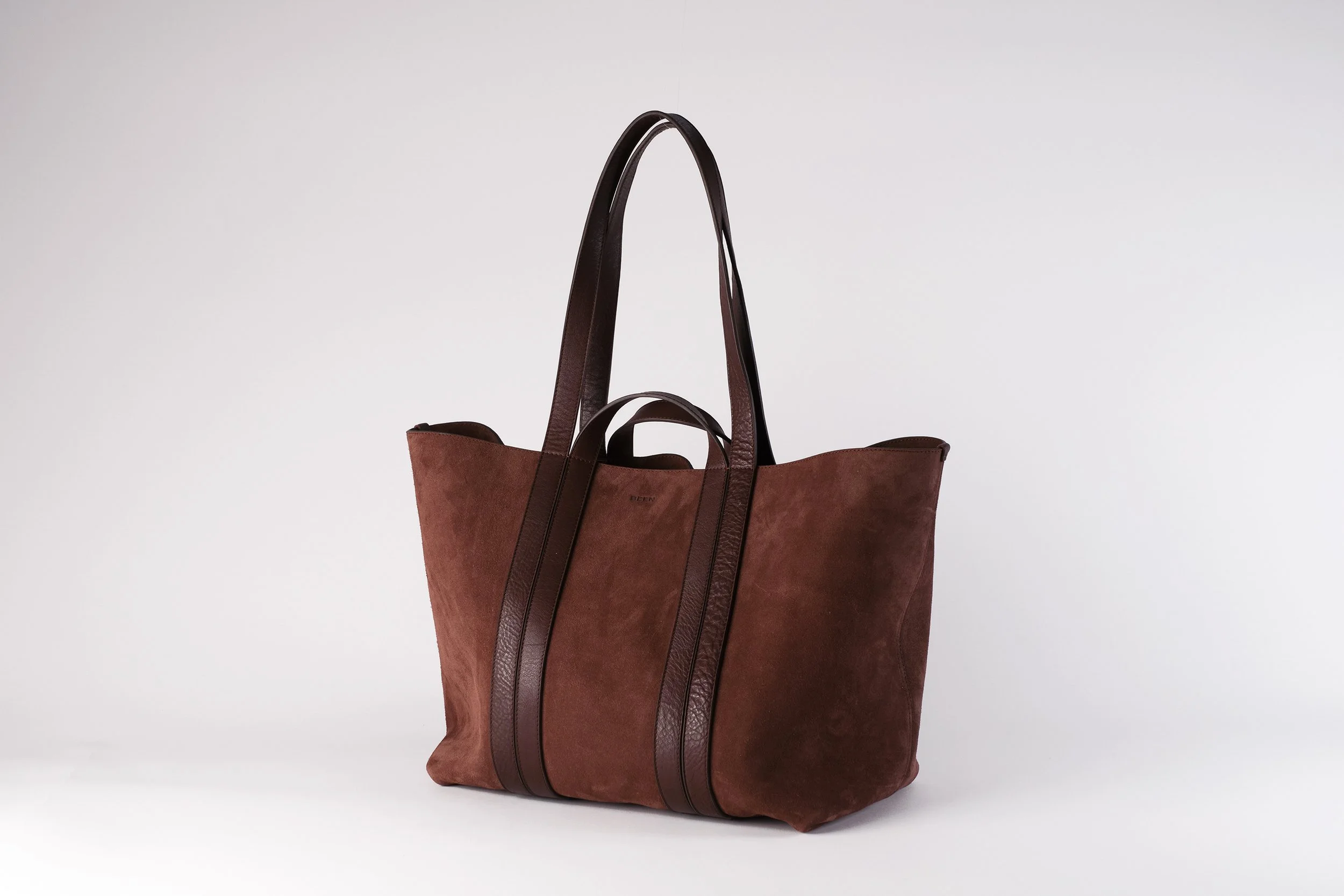
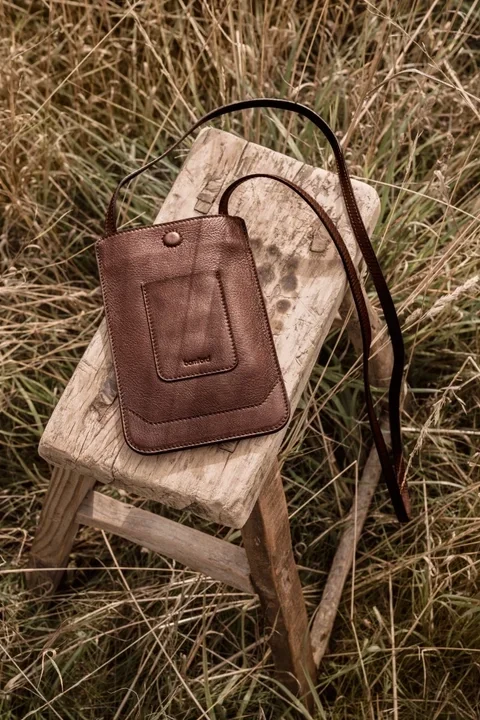
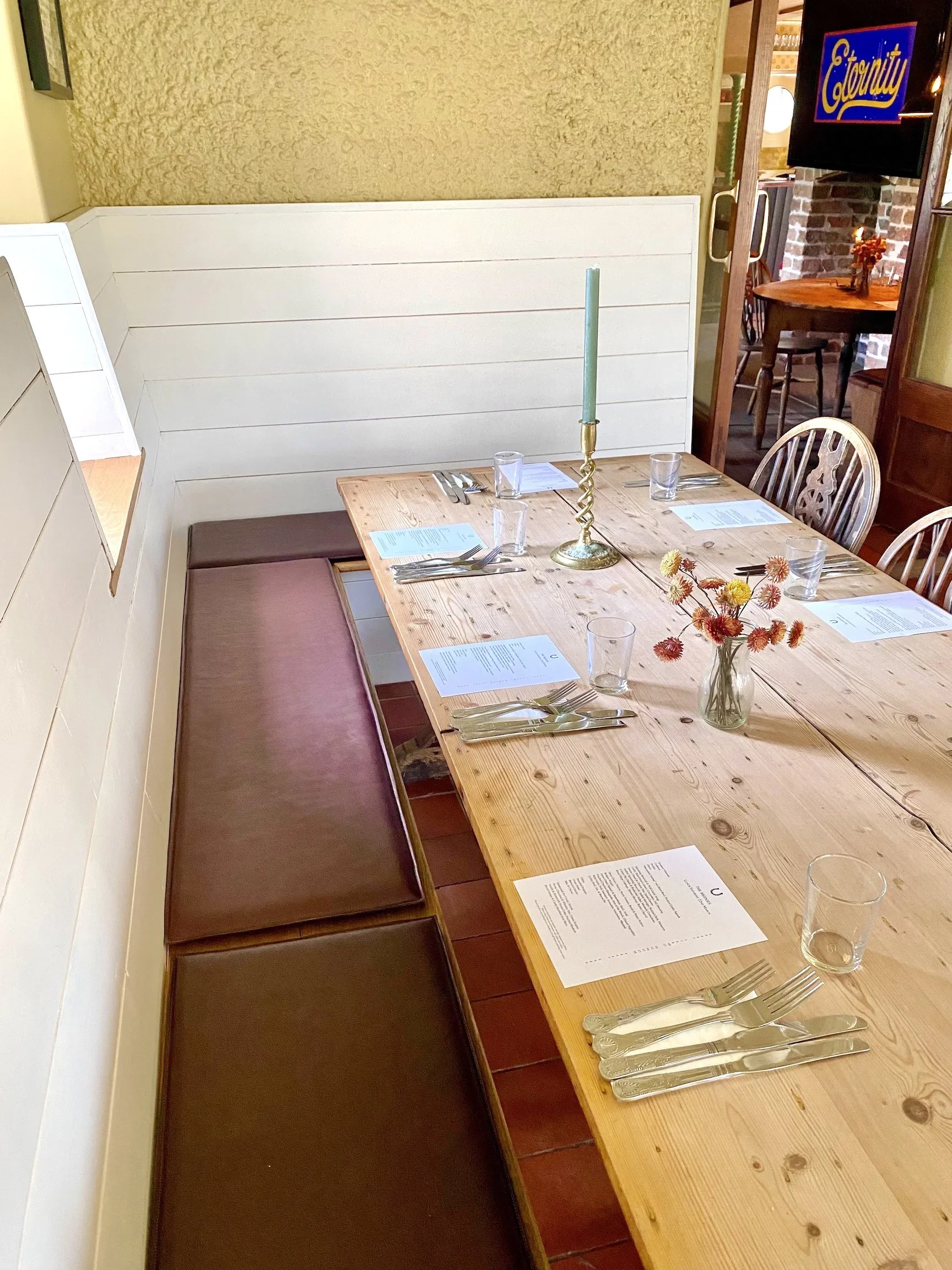
Below are items which have been made using the same quality of leather produced in this production. It is by no means an exhaustive list of design options!
Next Steps
Step 1: Read
These guidelines cover:
Collecting your hides from an abattoir
Stamping, salting and storing hides
Shipping hides to us
Step 2: Review
-
First hide = £750 +VAT
All additional hides = £675+VAT
The customer is responsible for the cost of delivering hide(s) to us.
Price includes the return postage for sending hide marking tools back to us.
Shipping costs of finished leather will be calculated and invoiced once production is complete.
-
50% deposit is required to secure production slot.
50% final payment will be due by September 15th, before tanning begins.
Acceptance of our Terms & Conditions are required upon payment of your deposit (you will see a link on the booking form).
-
Our next production will begin in mid-September 2026.
To join this production, hides must be delivered to us by the first week of October 2026.
-
The process is estimated to take approximately 4-5 months (tanning alone takes 3 months + finishing takes 3-4 weeks).
We will keep you updated with all developments.
Estimated date of finished leather delivery, February 2026.
Step 3: Book
To secure your space in the next production please complete our form using the form below.
Thank you for your interest – we look forward to working with you!